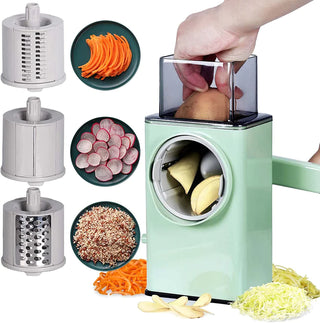






Maintaining your vegetable washing machine is crucial to ensuring its longevity and efficiency. By understanding the basics of its upkeep and the industry's trends, you can keep your appliance running smoothly for years. In this article, we'll dive deep into the world of vegetable washing machines, providing you with invaluable insights and maintenance tips.
Table of Contents
- 1. Understanding Your Vegetable Washing Machine
- 1.1 Company/Brand Introduction
- 1.2 Product Background
- 2. Market Trends & Innovations
- 3. Key Features, Benefits, and Use Cases
- 4. Competitor Landscape and Comparisons
- 5. SWOT Analysis
- 6. Growth Drivers & Future Trends
- 7. Maintenance Tips for Longevity
- 8. Frequently Asked Questions (FAQs)
- 9. Conclusion
1. Understanding Your Vegetable Washing Machine
1.1 Company/Brand Introduction
CashyMart is a trusted name for high-quality kitchen appliances, with a particular emphasis on sustainability and innovation. Known for providing a diverse range of appliances, CashyMart's vegetable washing machines are well-regarded for their innovative designs and user-friendly features.
1.2 Product Background
Vegetable washing machines are an essential household appliance for those who value cleanliness in their culinary endeavors. They ensure that your vegetables are free from dirt, pesticide residues, and other contaminants. These machines are designed to provide a thorough wash, saving you time and enhancing food safety.
2. Market Trends & Innovations
The market for vegetable washing machines is witnessing significant growth due to an increased emphasis on health and hygiene. Current trends include:
- Eco-friendly designs using minimal water.
- Advanced filtration systems.
- Automated cleaning modes.
Technology integration, such as IoT connectivity, allows users to control their machines remotely, enhancing convenience.
For a more detailed analysis, check out our article on Exploring the Features of the Latest Vegetable Washing Machines.
3. Key Features, Benefits, and Use Cases
Key features of vegetable washing machines include:
- High-Efficiency Motors: For better energy consumption.
- Compact Design: To fit in any kitchen space.
- User-Friendly Controls: Easy to operate for all age groups.
Benefits of these appliances:
- Reduces water usage compared to traditional methods.
- Ensures cleaner vegetables, promoting healthier diets.
- Saves time in meal preparation.
For more insights into the advantages, read our article on the 10 Surprising Benefits of Owning a Fruit and Veg Washer.
4. Competitor Landscape and Comparisons
Competitors in the market range from premium brands offering high-tech solutions to budget-friendly options. Key players include:
- Brand A with advanced filtration options.
- Brand B offering eco-friendly variants.
- Budget-friendly alternatives with basic features.
Comparisons often focus on price, technology, and ease of use.
5. SWOT Analysis
Strengths:
- Growing market demand.
- Eco-friendly technologies.
Weaknesses:
- Initial cost of purchase.
- Learning curve for first-time users.
Opportunities:
- Increased consumer awareness about food safety.
- Expansion into global markets.
Threats:
- Competition from conventional cleaning methods.
- Rapid technological changes requiring frequent updates.
6. Growth Drivers & Future Trends
- Health Consciousness: Rising awareness of food safety drives market growth.
- Technological Advancements: IoT and automation are future game-changers.
- Government Regulations: Support eco-friendly appliances.
Industry statistics suggest a steady growth rate, with the potential for technological enhancements that may lead to further market expansion.
7. Maintenance Tips for Longevity

To keep your vegetable washing machine in top shape:
- Regular Cleaning: Clean the machine after each use to prevent residue build-up.
- Check Filters: Replace filters periodically to ensure effective washing.
- Use Recommended Products: Only use products suited for your machine to avoid damage.
- Scheduled Maintenance: Follow the manufacturer's maintenance schedule for optimal performance.
Explore our vegetable washing machines here.
8. Frequently Asked Questions (FAQs)
Q1: How often should I clean my vegetable washing machine?
A1: It's best to clean after each use to prevent build-up and ensure hygiene.
Q2: Can I use any detergent in my vegetable washing machine?
A2: Only use detergents recommended by the manufacturer to avoid damage.
Q3: What should I do if my machine stops working?
A3: First, check for any visible issues. If unresolved, contact customer support.
Q4: How can I improve the lifespan of my machine?
A4: Regular maintenance, using recommended cleaning agents, and avoiding overloading can increase longevity.
Q5: Are vegetable washing machines eco-friendly?
A5: Yes, many models are designed to use minimal water and energy.
Q6: Where can I buy a vegetable washing machine?
A6: You can explore a range of options on CashyMart.
9. Conclusion
In conclusion, maintaining your vegetable washing machine ensures it remains an efficient and valuable part of your kitchen arsenal. By following the tips mentioned above, you can significantly enhance its lifespan and performance. Feel free to explore CashyMart's selection here and read more about why every household needs a reliable vegetable washing machine in our article. Keep your kitchen clean, efficient, and sustainable with a trusted vegetable washing machine from CashyMart.
For more details, visit our website.
External Reference: For more on IoT integration, visit Wikipedia's Internet of Things page.